The Chemical Energy of Organic Matter
Biomass energy relies on releasing the chemical energy stored in organic material—plants and animal waste—that originally derived from photosynthesis. By converting this organic matter into heat, electricity, or liquid biofuels, operators can generate dispatchable power. Biomass takes many forms, from raw forestry residues and agricultural waste to purposely cultivated energy crops. The conversion methods are equally diverse, relying on direct combustion, thermochemical processing, or biochemical digestion.
Direct Combustion and Pelletization
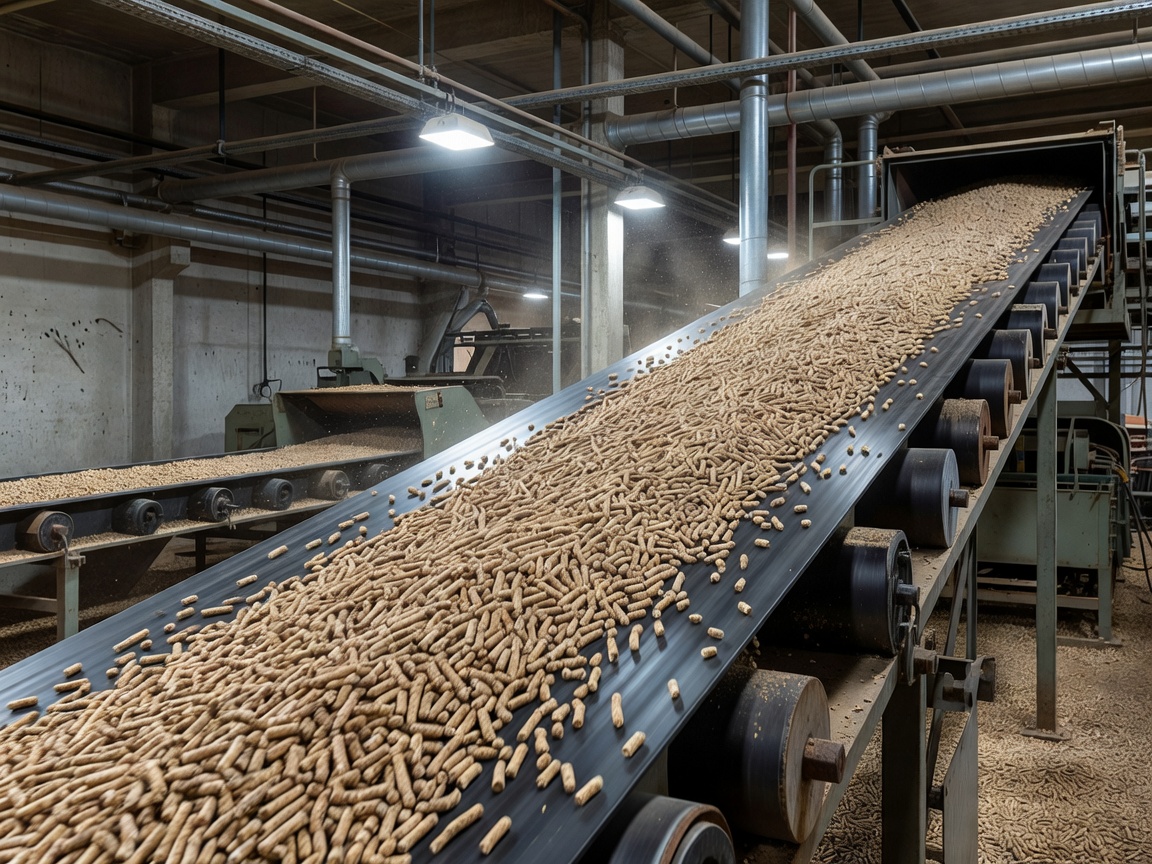
The most straightforward method of biomass energy extraction is direct combustion, widely used in utility-scale power plants and industrial heating boilers. To improve transport logistics and energy density, raw wood and agricultural residues are frequently compressed into uniform pellets. These pellets burn cleanly and consistently compared to raw biomass, allowing legacy coal-fired power plants to be retrofitted to run on wood biomass with relatively minor modifications to their fuel handling and boiler systems.
While combustion yields reliable, on-demand baseload power, it emits carbon dioxide directly from the smokestack. The environmental premise of biomass relies on the assumption that this emitted carbon was recently absorbed from the atmosphere during the plant's growth phase, creating a closed carbon loop. However, this accounting is highly dependent on sustainable harvesting practices and the timeframe over which new growth sequesters the released carbon.
Anaerobic Digestion and Biogas
Instead of burning organic matter directly, biochemical processes can be used to extract combustible gases. Anaerobic digestion occurs when microorganisms break down biodegradable material (such as manure, food waste, or wastewater sludge) in an oxygen-free environment. The resulting product is biogas—a mixture primarily composed of methane and carbon dioxide.
Biogas can be combusted in gas engines to generate localized electricity and heat. Alternatively, it can be purified to remove carbon dioxide and hydrogen sulfide, yielding biomethane (or renewable natural gas). This biomethane is chemically identical to fossil-derived natural gas, allowing it to be injected directly into existing pipeline infrastructure. Anaerobic digestion acts as a powerful dual-purpose technology: it provides renewable energy while simultaneously managing organic waste and preventing fugitive methane emissions from open landfills.
The Carbon Neutrality Debate
The classification of biomass as a carbon-neutral renewable resource remains one of the most debated topics in environmental policy. If whole, mature trees are harvested specifically for combustion, the carbon debt incurred is immediate, while the sequestration by replacement saplings takes decades to balance the ledger. During that timeframe, the excess atmospheric carbon contributes to climate change.
Conversely, if biomass facilities strictly utilize forestry offcuts, sawmill residue, and agricultural waste that would otherwise rot and release methane, the net climate impact is highly favorable. Ensuring the sustainability of biomass power requires rigorous supply chain auditing, strict adherence to residue-only sourcing, and careful lifecycle assessments that account for the fossil fuels used in processing and transporting the organic matter.